Sewer Line Unblocking in San Antonio, TX
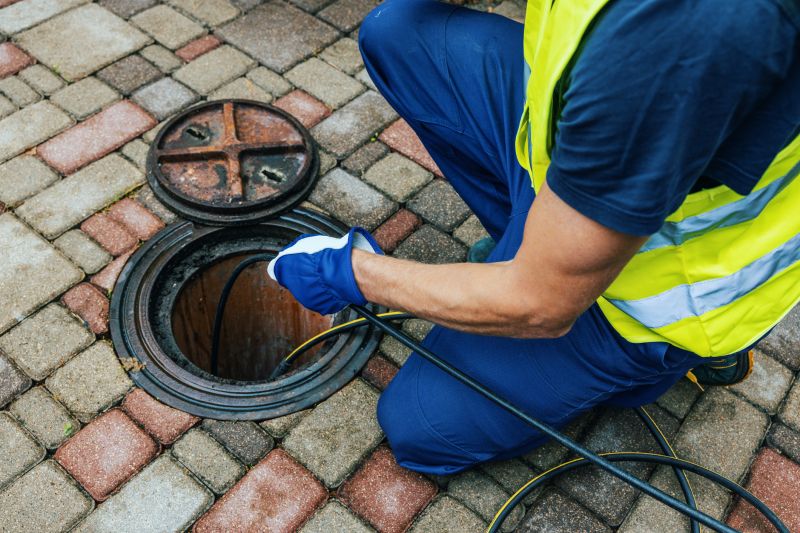
Sewer line unblocking services are designed to clear blockages and restore proper flow within a property's main sewer system. These projects typically involve removing obstructions caused by tree roots, accumulated debris, grease buildup, or other materials that can cause backups and slow drainage. Homeowners often request this service when experiencing persistent clogs, foul odors, or sewage backups in sinks, toilets, or drains, aiming to prevent potential property damage and maintain a safe, sanitary environment.
Before requesting sewer line unblocking, property owners usually want to understand the scope of the blockage, the methods used to clear it, and whether any additional repairs might be necessary. It’s helpful to know if the service involves diagnostic tools like video inspections to identify the cause and location of the blockage. Clarifying these details can ensure the project addresses the underlying issues effectively and minimizes future disruptions.
Many property owners in San Antonio, TX look into Sewer Line Unblocking for repairs, replacements, upgrades, and appearance-related improvements.
Common Causes Of Blockages
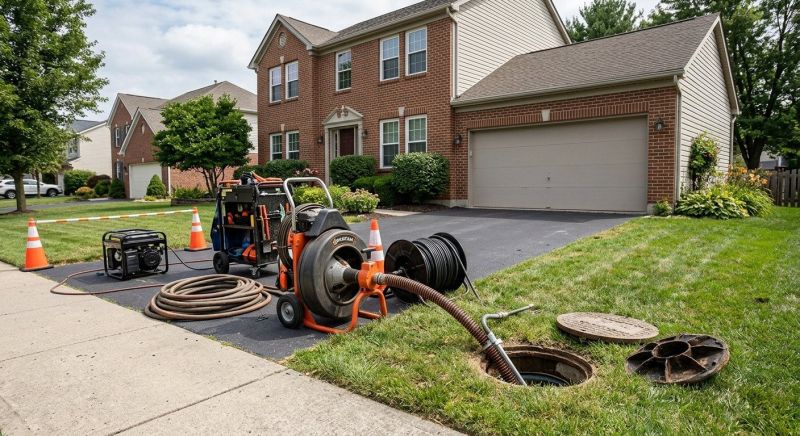
Blockages often result from grease buildup, debris, or tree roots infiltrating sewer lines.
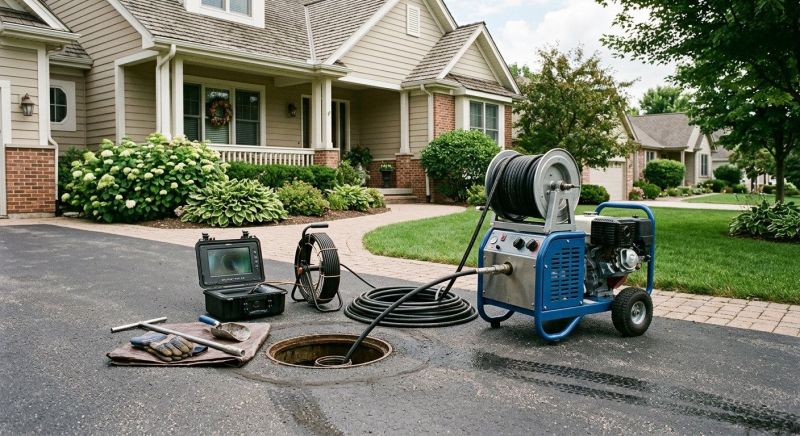
Signs Of A Clogged Sewer Line
Slow drains, foul odors, or gurgling sounds can indicate a sewer line obstruction.
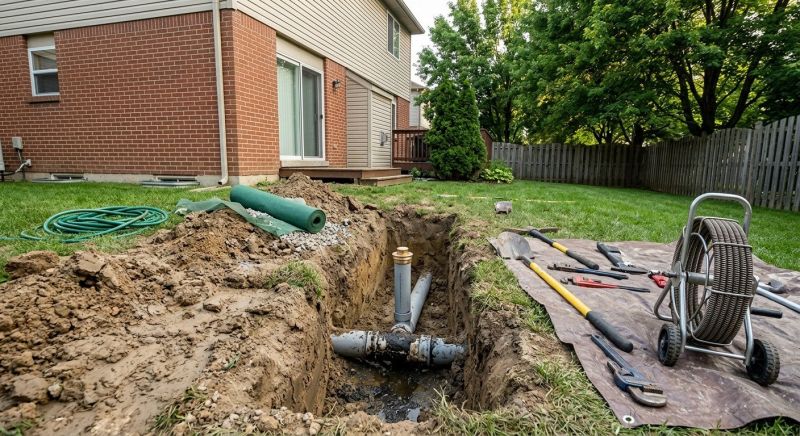
Unblocking Techniques
Professional services may use hydro-jetting or specialized tools to clear stubborn blockages in san antonio homes.
Sewer Line Unblocking in San Antonio, TX

Sewer line unblocking services are designed to clear blockages and restore proper flow within a property's main sewer system. These projects typically involve removing obstructions caused by tree roots, accumulated debris, grease buildup, or other materials that can cause backups and slow drainage. Homeowners often request this service when experiencing persistent clogs, foul odors, or sewage backups in sinks, toilets, or drains, aiming to prevent potential property damage and maintain a safe, sanitary environment.
Before requesting sewer line unblocking, property owners usually want to understand the scope of the blockage, the methods used to clear it, and whether any additional repairs might be necessary. It’s helpful to know if the service involves diagnostic tools like video inspections to identify the cause and location of the blockage. Clarifying these details can ensure the project addresses the underlying issues effectively and minimizes future disruptions.
Many property owners in San Antonio, TX look into Sewer Line Unblocking for repairs, replacements, upgrades, and appearance-related improvements.
Common Sewer Line Unblocking Jobs
Sewer line unblocking - clearing blockages to restore proper drain flow in residential and commercial properties.
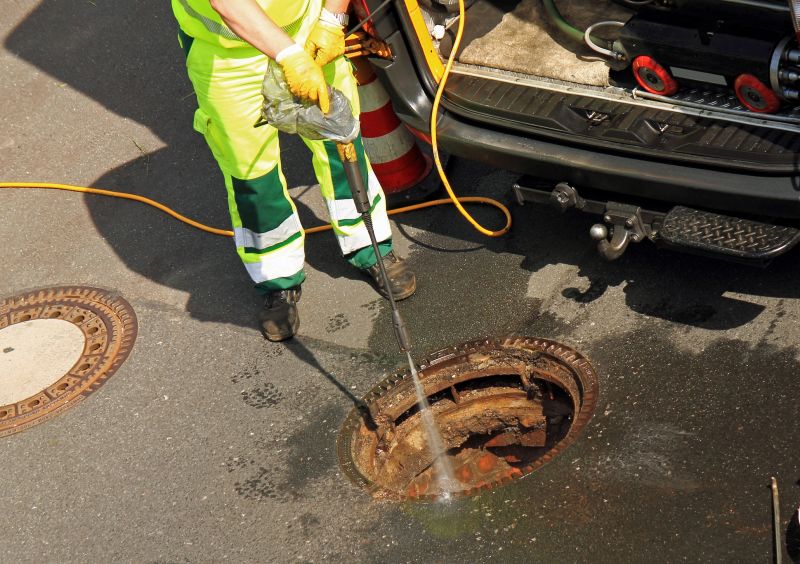
Drain jetting services - using high-pressure water to remove stubborn clogs and buildup inside sewer lines.
Camera inspection - diagnosing sewer line issues to identify the location and cause of blockages.
Emergency unblocking - addressing sudden or severe sewer backups to prevent property damage.
Pipe relining - repairing damaged sewer pipes without extensive excavation through lining techniques.
Preventative maintenance - routine inspections and cleanings to reduce the risk of future blockages.
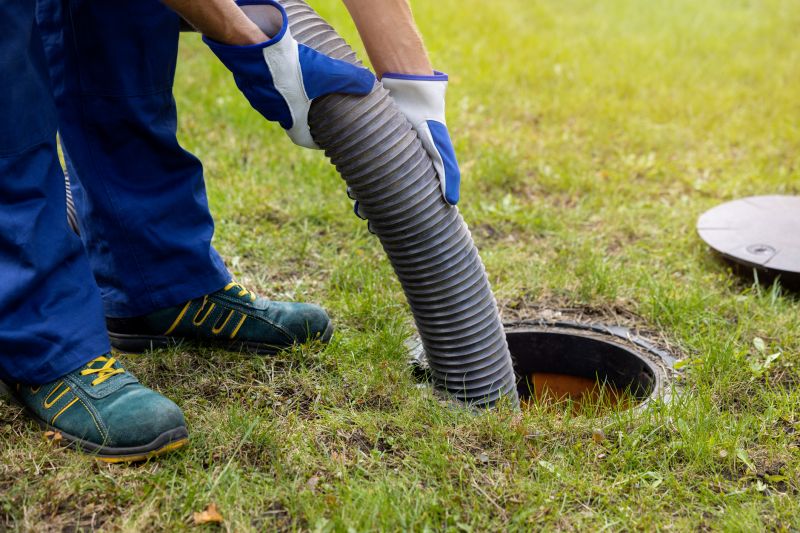
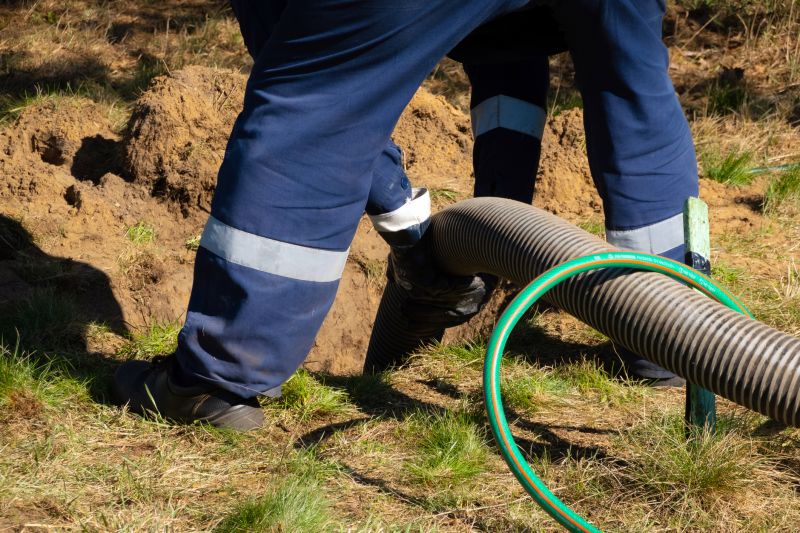
Sewer Line Unblocking Questions
What causes sewer lines to become blocked? Common causes include tree roots, grease buildup, debris, and aging pipes that restrict flow.
How can I tell if my sewer line is blocked? Signs include slow draining fixtures, gurgling sounds, unpleasant odors, or sewage backups in drains.
What types of projects typically require sewer line unblocking? Projects often involve clearing clogs from main lines, resolving backups, or repairing damaged pipes.
Is it possible to prevent sewer line blockages? Regular maintenance and avoiding flushing inappropriate materials can help reduce the risk of blockages.
Request Sewer Line Unblocking in San Antonio, TX
Use the quote form on this page to share the basics of your project and request more information for the type of work you need.