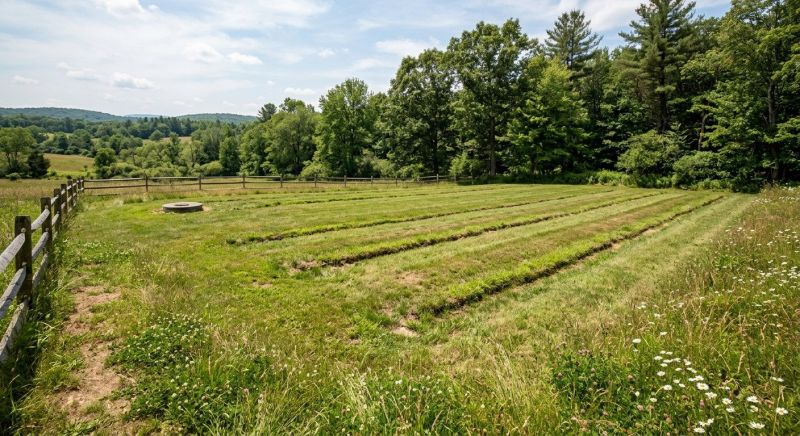
Septic Field Installation in Denver, CO
Septic field installation involves setting up the underground drain system that safely disperses wastewater from a property’s septic tank into the surrounding soil. This service is essential for homes and properties that rely on on-site sewage treatment, especially in areas where municipal sewer connections are unavailable. Projects typically include designing and installing new septic drain fields, replacing outdated systems, or expanding existing setups to accommodate property improvements. Property owners often want to understand the size and layout requirements of the drain field, the soil conditions that can affect installation, and any local regulations or permits needed before beginning work.
Before requesting septic field installation, property owners should assess the size of their property, the number of occupants, and the expected wastewater flow to determine appropriate system capacity. It’s also important to consider the soil type and drainage characteristics, as these factors influence system design and longevity. Understanding local codes and permit requirements can help streamline the installation process. Clear communication about project scope, site accessibility, and potential site preparation needs can ensure the installation proceeds smoothly and meets long-term performance expectations.
Many property owners in Denver, CO look into Septic Field Installation for repairs, replacements, upgrades, and appearance-related improvements.
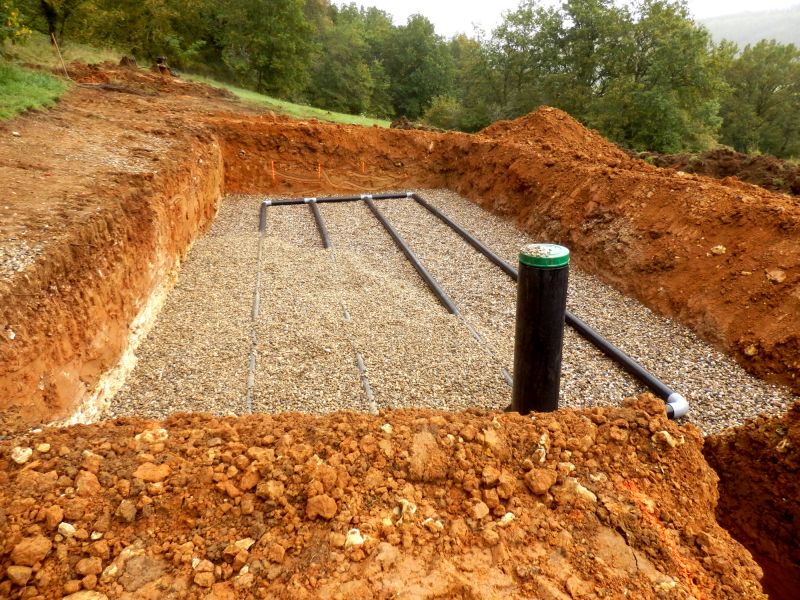
Septic Field Design And Planning
Proper planning ensures effective wastewater treatment for residential and commercial properties.
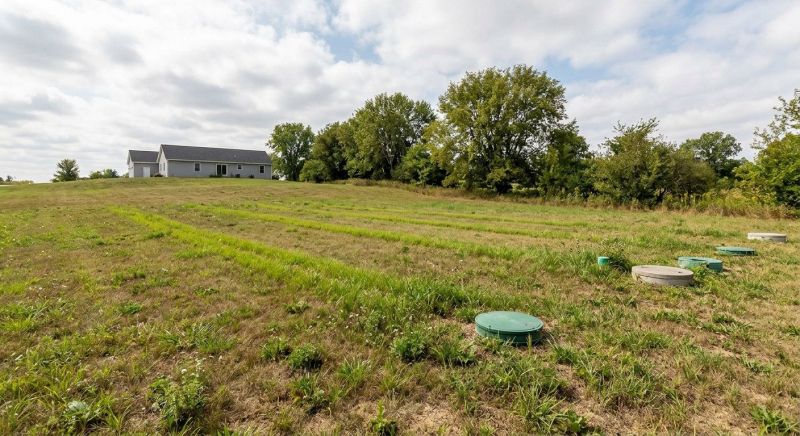
Septic System Installation Process
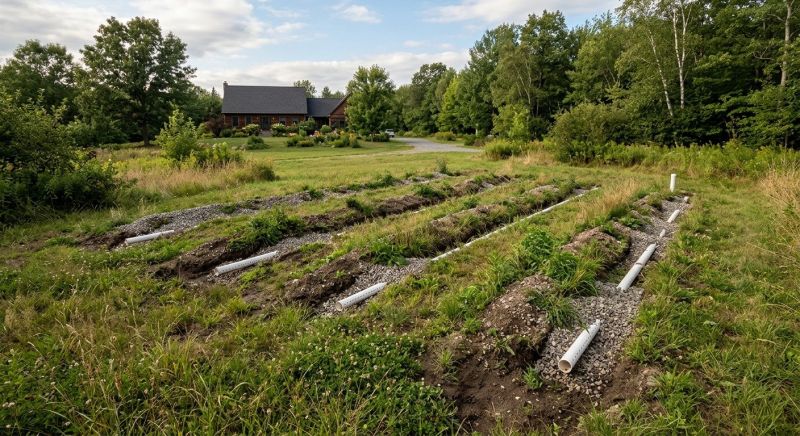
Installation involves site assessment, trenching, and system setup tailored to denver area soil conditions.
Maintenance And Troubleshooting
Regular inspections and prompt repairs help maintain system performance and prevent costly issues.
Septic Field Installation in Denver, CO

Septic field installation involves setting up the underground drain system that safely disperses wastewater from a property’s septic tank into the surrounding soil. This service is essential for homes and properties that rely on on-site sewage treatment, especially in areas where municipal sewer connections are unavailable. Projects typically include designing and installing new septic drain fields, replacing outdated systems, or expanding existing setups to accommodate property improvements. Property owners often want to understand the size and layout requirements of the drain field, the soil conditions that can affect installation, and any local regulations or permits needed before beginning work.
Before requesting septic field installation, property owners should assess the size of their property, the number of occupants, and the expected wastewater flow to determine appropriate system capacity. It’s also important to consider the soil type and drainage characteristics, as these factors influence system design and longevity. Understanding local codes and permit requirements can help streamline the installation process. Clear communication about project scope, site accessibility, and potential site preparation needs can ensure the installation proceeds smoothly and meets long-term performance expectations.
Many property owners in Denver, CO look into Septic Field Installation for repairs, replacements, upgrades, and appearance-related improvements.
Common Septic Field Installation Jobs
Septic Field Installation - Installing new drain fields to ensure proper wastewater absorption.
Septic System Upgrades - Replacing or expanding existing septic fields for increased capacity.
Drain Field Repair - Addressing issues with failing or damaged septic drain lines.
Design and Site Assessment - Evaluating property layout to determine optimal septic field placement.
Leach Field Replacement - Removing and replacing old or failed drain fields for improved function.
Septic System Permitting - Assisting with local approval processes for septic installation projects.
Septic Field Installation Questions
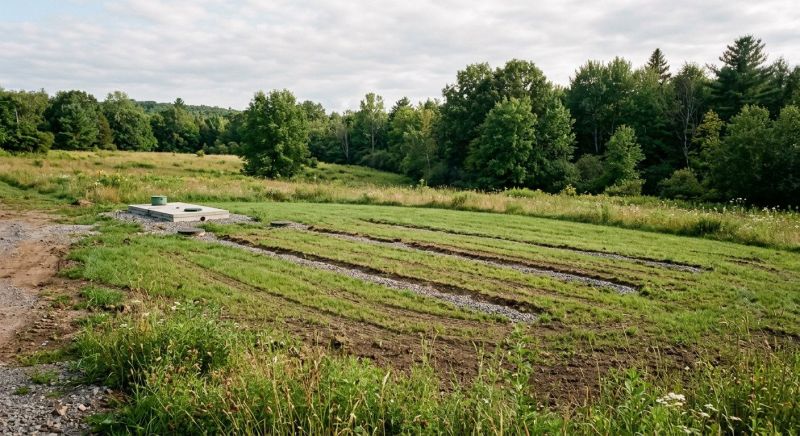
What is a septic field? A septic field is an underground system that treats and disperses wastewater from a property’s septic tank into the soil.
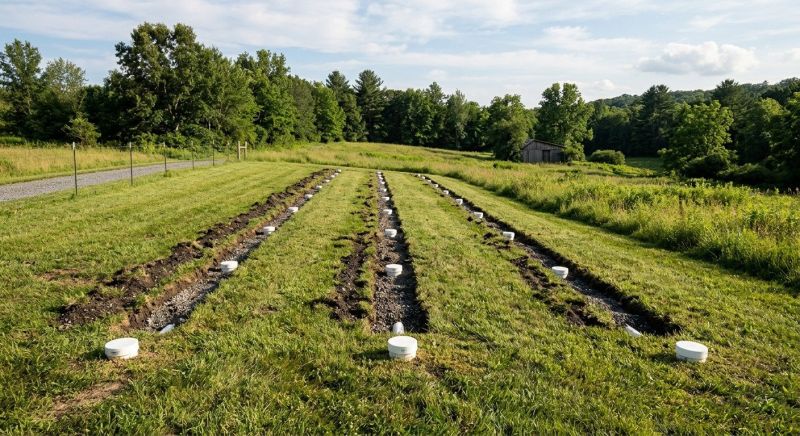
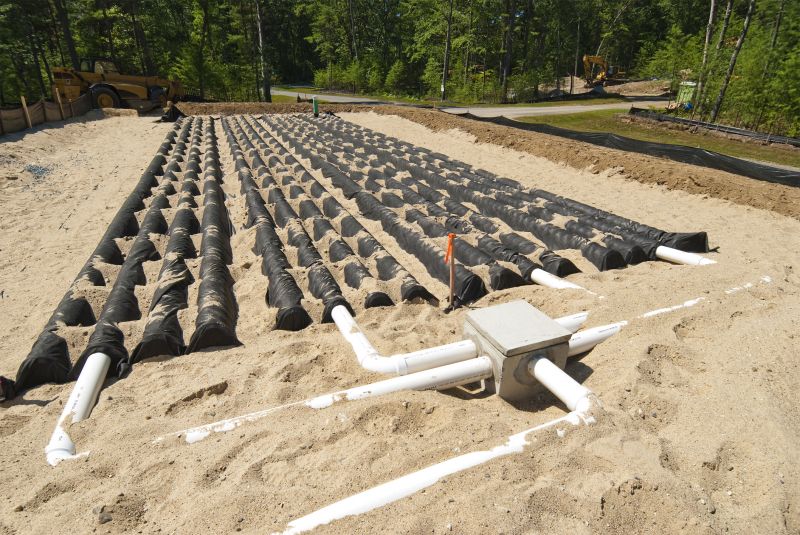
How is a septic field installed? Installation involves excavating trenches, laying perforated pipes, and covering them with gravel and soil to ensure proper drainage.
What factors influence septic field placement? Soil type, property size, and local regulations are key considerations for determining the best location for a septic field.
How long does a septic field last? With proper installation and maintenance, a septic field can last 20 to 30 years or more.
Request Septic Field Installation in Denver, CO
Use the quote form on this page to share the basics of your project and request more information for the type of work you need.